By Iqra Sharjeel
🩸 FBS, RBS & HbA1c: Know Your Numbers, Know Your Health
Your Simple Guide to Blood Sugar Testing at Home and in the Lab
In today’s fast-paced world, diabetes is becoming increasingly common, but the good news is: it’s also manageable — especially when detected early. Monitoring your blood sugar levels regularly is one of the best ways to stay in control of your health. Whether you’re at risk, already diagnosed, or simply keeping track for preventive care, understanding how and when to check your blood sugar makes all the difference.
Let’s break it down simply with #sapere:
🏠 Glucometer: Your Personal Blood Sugar Tracker
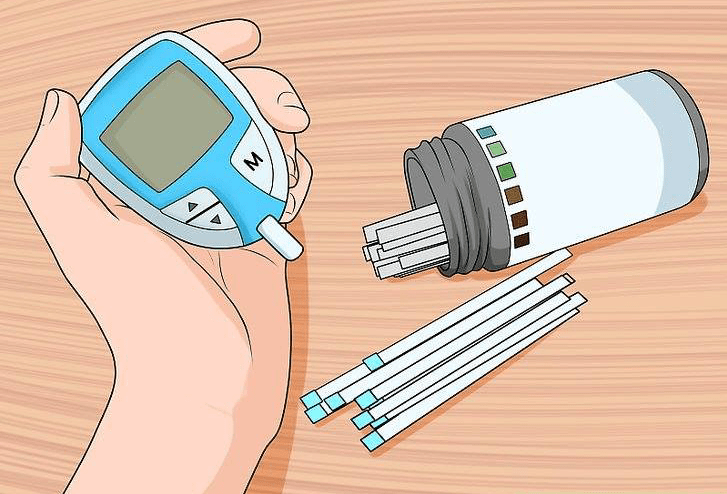
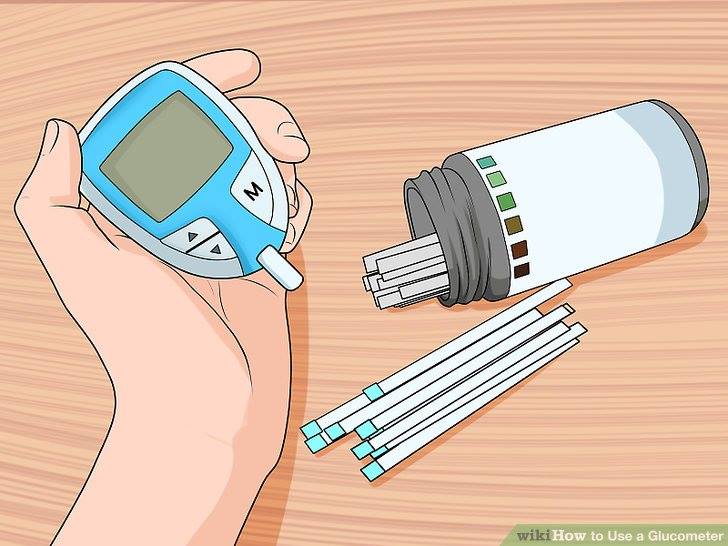
A glucometer is a small, handheld device used to check your blood sugar levels at home. It’s affordable, user-friendly, and a powerful tool for daily management.
You can measure two important values using a glucometer:
1. Fasting Blood Sugar (FBS)
This is your blood sugar level after not eating for at least 8 hours, usually checked early in the morning before breakfast.
FBS helps detect how your body manages sugar when it’s not under the influence of food.
2. Random Blood Sugar (RBS)
This is checked two hours after eating a meal, commonly after breakfast. It shows how your body responds to glucose intake during the day.
RBS helps assess how well your insulin is working post-meal.
Both FBS and RBS can be easily checked at home, and the results help you and your doctor understand your sugar patterns throughout the day.
🧪 HbA1c: The Gold Standard Lab Test
While home readings are valuable, there’s one test that gives a bigger picture of your blood sugar control — the HbA1c test.
Also known as Glycated Hemoglobin, HbA1c is a lab-based test that measures the average blood sugar levels over the past 2 to 3 months. Instead of a single moment, it tells your doctor how well your sugar has been controlled over time.
Doctors consider the HbA1c test as the most reliable diagnostic tool for diabetes management and dose adjustment.
It’s especially useful for those already on medications or insulin, as it helps determine whether your current treatment plan is working effectively.
📊 What Do These Numbers Mean?
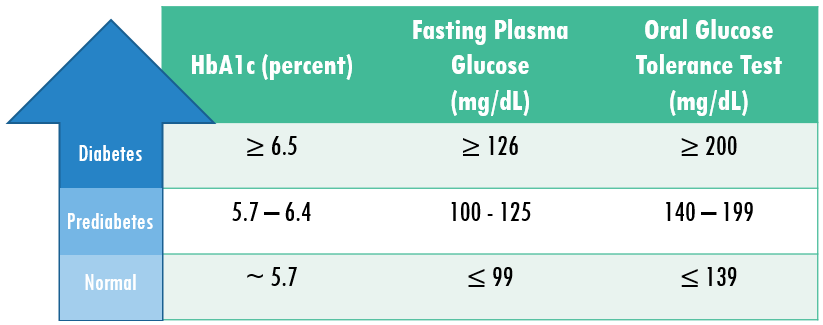
While ranges may vary slightly depending on guidelines, here’s a general reference:
| Test | Normal | Prediabetes | Diabetes |
|---|---|---|---|
| FBS | < 100 mg/dL | 100–125 mg/dL | ≥ 126 mg/dL |
| RBS | < 140 mg/dL | 140–199 mg/dL | ≥ 200 mg/dL |
| HbA1c | < 5.7% | 5.7%–6.4% | ≥ 6.5% |
Always consult your doctor for proper diagnosis and interpretation.
🧠 Why It Matters
Knowing your FBS, RBS, and HbA1c:
- Helps in early diagnosis of diabetes or prediabetes
- Guides proper treatment and lifestyle changes
- Prevents complications like heart disease, nerve damage, kidney problems, and more
- Empowers you to take ownership of your health
💡 #sapere Tip:
Don’t wait for symptoms — diabetes can stay hidden for years. Whether you have a family history, experience fatigue, increased thirst, or are over 40, it’s wise to:
✔️ Check your FBS and RBS monthly at home
✔️ Do an HbA1c test every 3–6 months (or as advised by your doctor)
✔️ Keep a small notebook or app to track your readings
✅ Final Thought
Your health starts with awareness.
With just a few drops of blood and a few minutes, you can monitor your sugar, adjust your lifestyle, and prevent long-term harm.
So remember:
🩺 Glucometer for daily checks.
🧪 HbA1c for long-term insight.
🧠 Knowledge for lifelong control.
Your numbers tell your story. Make sure you’re listening.
—
Stay aware, stay healthy, stay with #sapere.


