By Iqra Sharjeel
Have you ever gone to a pharmacy and been told that your prescribed brand-name medicine is out of stock? For many people, this situation can be confusing or even stressful—especially when the medicine is important for managing a condition or relieving pain. But here’s a fact that can save you time and worry: while brand names may vary, the generic name of a drug always stays the same. That means you can ask for an alternative brand with the same active ingredient and strength.
Every medication has two main names: a generic name and a brand name. The generic name is the scientific name of the active ingredient in the medicine—for example, paracetamol or amoxicillin. The brand name, on the other hand, is the name given by the company that manufactures and sells the drug, such as Panadol or Augmentin. Many companies can sell the same drug under different brand names, but the effect of the medicine stays the same as long as the generic ingredient and dose are identical.
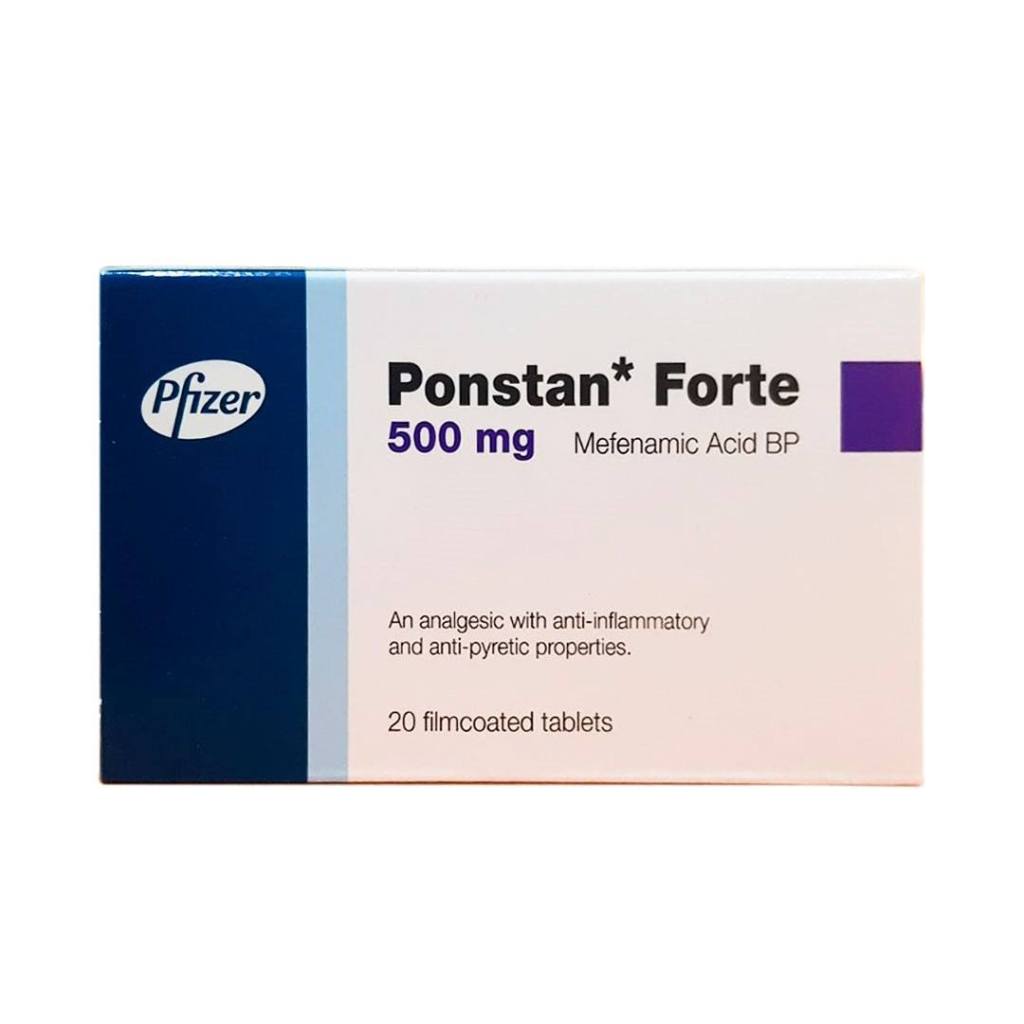
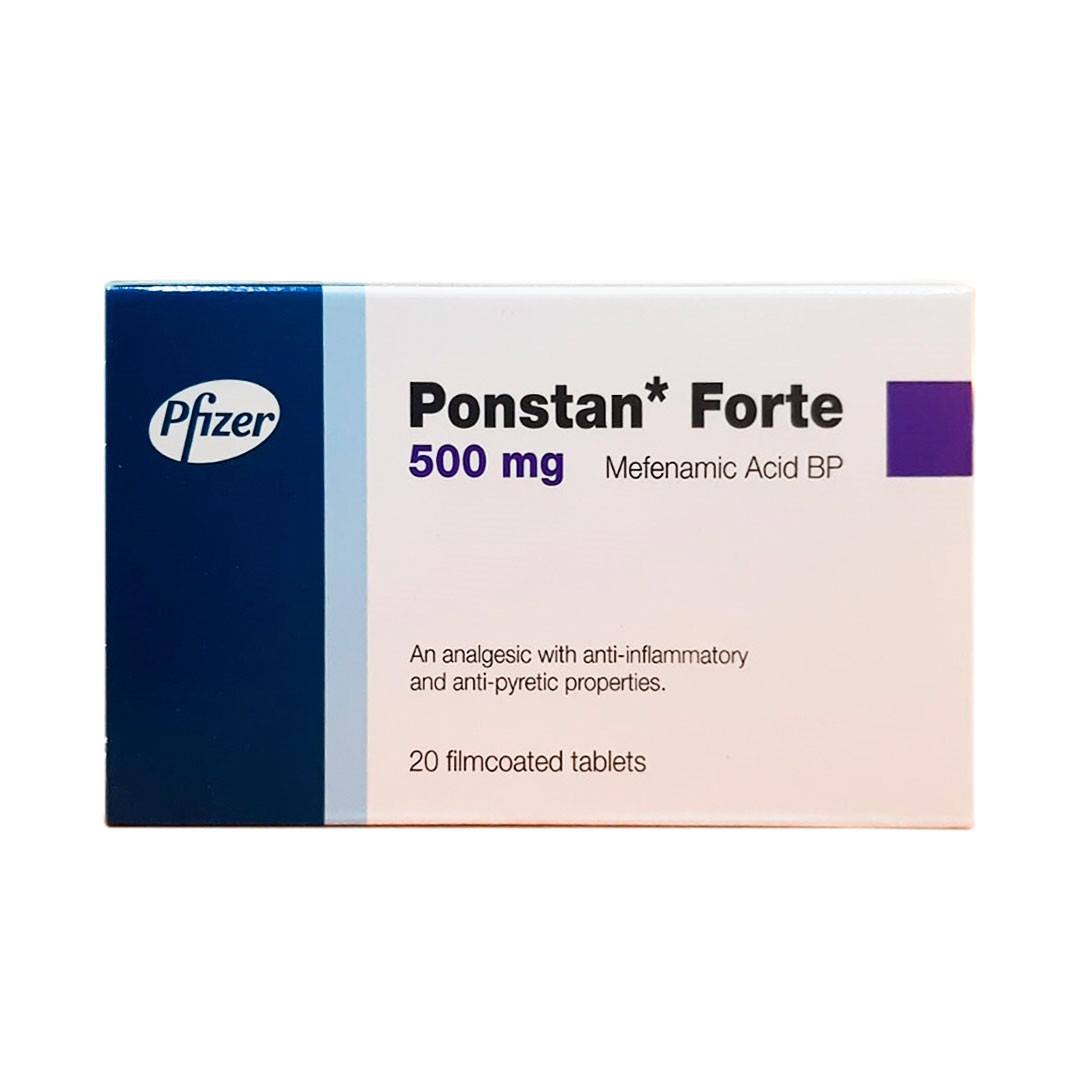
On most medication packages or labels, the brand name is usually written in bold, placed above or more prominently than the generic name. This is important to recognize, especially when you’re trying to find a replacement or compare medicines. For example, Panadol is a brand name, but its generic name is paracetamol 500 mg. Knowing the generic name helps you find the same medicine even if the brand is unavailable.
Being aware of the generic name of your medicine empowers you in many ways. Firstly, if one pharmacy doesn’t have your regular brand, you can ask for the generic equivalent or another brand with the same ingredient and strength. Secondly, generic medicines are often much more affordable than brand-name drugs. This is because you’re not paying for the brand label or marketing—yet the medicine is held to the same safety and quality standards. Finally, knowing the generic name ensures that you don’t miss a dose during emergencies or travel, where your usual brand might not be available.
Next time you visit a pharmacy, make it a habit to ask your pharmacist or doctor for the generic name of any prescribed medication. You can also ask:
- “Is there a different brand with the same active ingredient?”
- “Can I get a cheaper generic version of this medicine?”
These small questions can make a big difference in managing your health and saving money.
Being open-minded about alternatives doesn’t mean compromising on quality. It means making smart, informed choices. Don’t rely only on brand names—learn the generic names, understand your medications, and ask for safe alternatives when needed. It’s a simple step that can prevent treatment delays, reduce costs, and give you more control over your healthcare.
Your health should never depend on a brand name.
It should depend on getting the right medicine, at the right strength, at the right time.
So, the next time you can’t find your usual brand, just ask:
🗣 “What’s the generic name, and do you have another brand with the same strength?”
Open minds save lives. Open minds for alternatives.


You must be logged in to post a comment.