
Many people believe electronic cigarettes (also called e-cigarettes or vapes) are a safe alternative to traditional cigarettes. But with a recent report from the U.S. surgeon general calling e-cigarette use “a major public health concern,” this may not be the case. The FDA reports an alarming 900% rise in e-cigarette use among high school students from 2011 to 2015. Get the facts on this popular, and potentially dangerous, product.
How do they work?
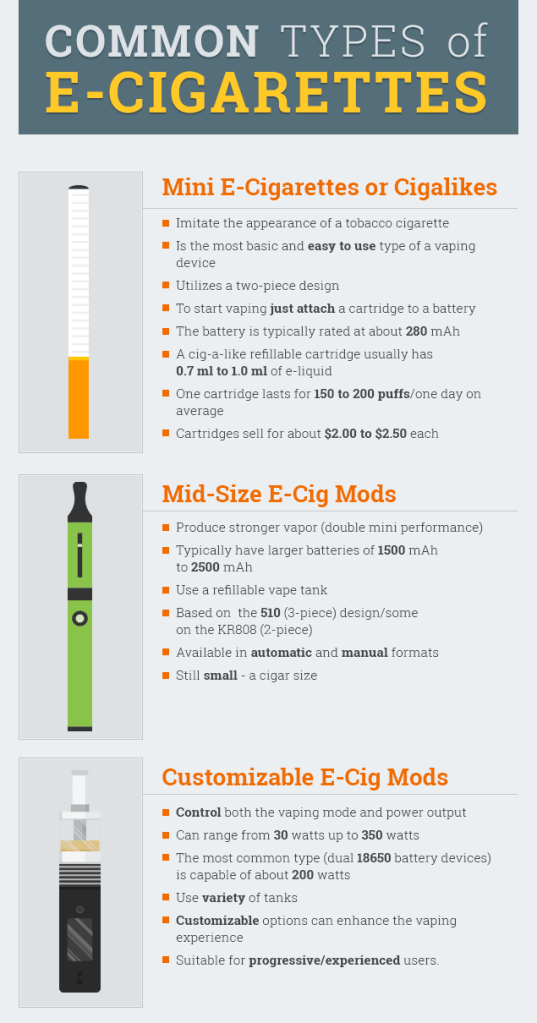
You don’t actually light up an e-cig; they’re powered by a rechargeable lithium battery. Instead of burning tobacco, the “e-liquid” is vaporized in a heating chamber when the user inhales.
The replaceable liquid cartridge contains nicotine mixed with a base (usually propylene glycol), along with flavorings and chemicals. The tip often contains LED lights that simulate the glow of a burning cigarette.
E-cigarettes are available in flavors like cherry, bubble gum, and cotton candy, and are allowed to be advertised on TV, which may increase their appeal for children and teens.
Are they safe?
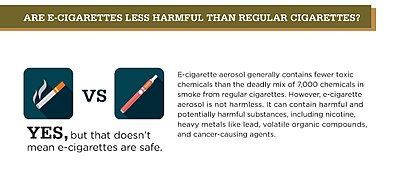
Proponents of e-cigarettes claim they’re safer than smoking because they don’t contain the more than 60 cancer-causing chemicals in tobacco smoke. But e-cigs still deliver harmful chemicals, including nicotine, the extremely addictive substance in cigarettes. And studies show that brands claiming to be “nicotine-free” may still have trace amounts. Developing teenage brains are especially sensitive to nicotine’s addictive properties.


You must be logged in to post a comment.