Marine life can bounce back by 2050 — but only if we act now
Scientists have identified proven interventions that, if scaled up, could almost completely restore ocean ecosystems within a generation.

In the past 4 decades, populations of marine creatures have suffered catastrophic declines. Data from a 2018 report by the World Wildlife Fund (WWF) show an overall decline of 60% on average for mammals, birds, fish, reptiles, and amphibians, an average drop of well over half in less than 50 years.
Is distilled water safe to drink?
![[getting a bottle of water from the grocery store]](https://i0.wp.com/cdn-prod.medicalnewstoday.com/content/images/articles/317/317698/getting-a-bottle-of-water-from-the-grocery-store.jpg?w=1155&h=1541)
As water has no calories or sugar, it is a better choice than sodas or fruit juice to keep hydrated. Sodas and fruit juices are laden with sugars, which actually remove water from the body.
While reaching for a glass of water may seem simple, there are many kinds of water available to drink, including:
- plain tap water
- spring water
- distilled water
- well water
How fast does a blue whale’s heart beat?
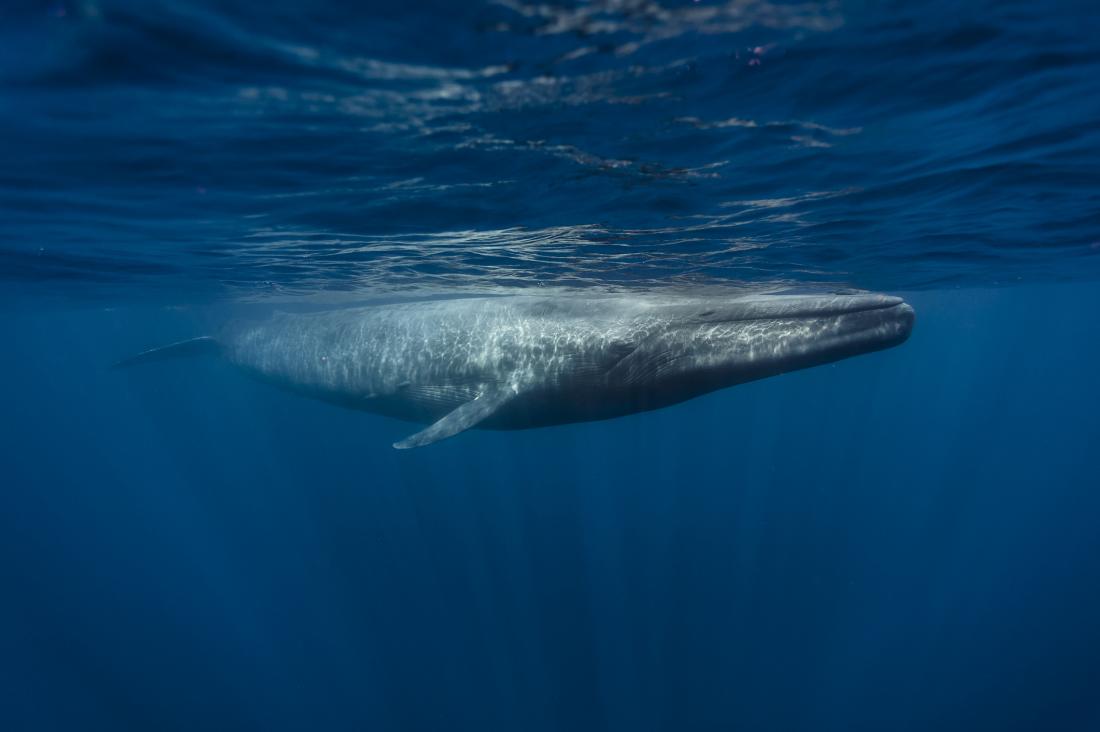
For the first time, researchers have managed to record the heart rate of the largest animal that has ever lived on planet Earth — the blue whale.
The blue whale, also known as a sulfur-bottom whale, or by its Latin name, Balaenoptera musculus, is the largest animal known to have lived, with an average weight of 150 tons and a maximum length of 30 meters (m).
Why scientists are searching the ocean for new drugs
As medical researchers continue their efforts to improve human health, some are turning their attention to the ocean because they believe that the Earth’s seas might harbor novel disease-fighting chemistry.

The oceans cover more than two-thirds of Earth. As the adage goes, we know more about the surface of the moon than we do about the bottom of the ocean.
The sea’s ability to transition from dark, explosive rage to serene, crystal-clear calm has terrified and beguiled humanity since we first visited the beach.
Why you probably have microplastics in your poop
Two recently published studies underline how pervasive plastic is on our planet. One finds it hiding in table salt, and the other finds it in stool samples. The question is, how will it impact health?

Most of us know that planet Earth has a problem with plastic — namely, there is way too much of it, and it will not go away.
From the middle of the 20th century onward, humans have increased plastic production drastically.
In 1950, we produced around 350,000 metric tons. By 2016, that figure had skyrocketed to 335 million metric tons.


