While we often focus on physical resources like forests, minerals, or water, there’s another important category of natural capital that’s often overlooked: cultural and spiritual capital. These refer to the non-material benefits people derive from nature—shaped by tradition, belief, and identity.
🌺 What is Cultural Capital?
Cultural capital refers to the natural environments, landscapes, or species that hold symbolic, historical, or heritage value to a community or society. These are resources that sustain cultural identity, social cohesion, and knowledge systems.
🌍 Examples of Cultural Capital:
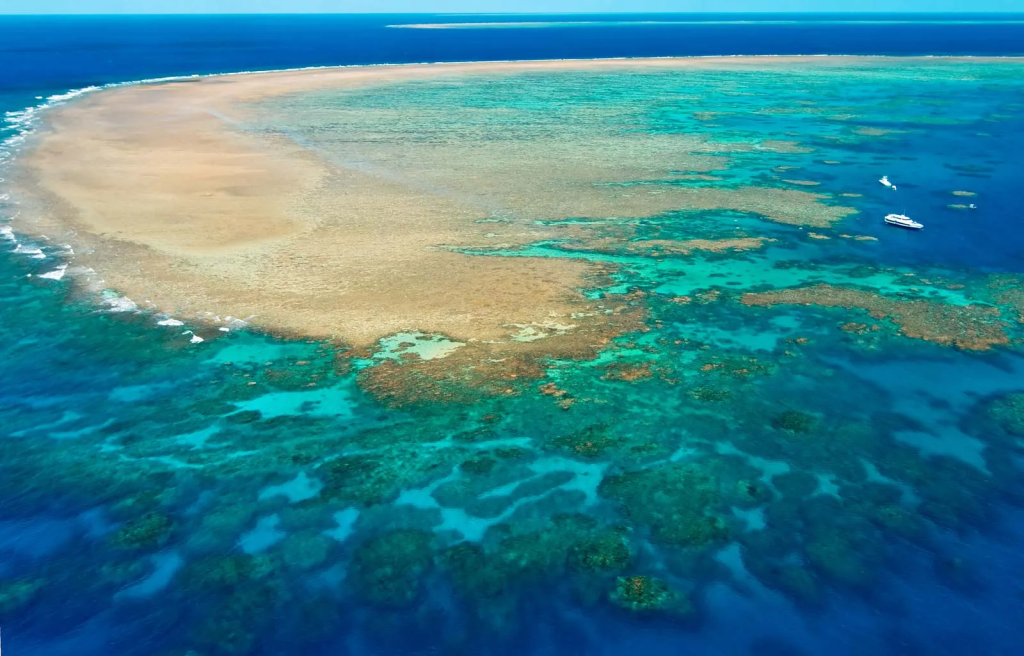
- The Great Barrier Reef (Australia): Important to Indigenous Australians, especially the Aboriginal and Torres Strait Islander communities who hold traditional ecological knowledge about reef ecosystems.
- Sacred forests in Ghana and India: Preserved through generations due to cultural taboos and traditions that protect biodiversity.
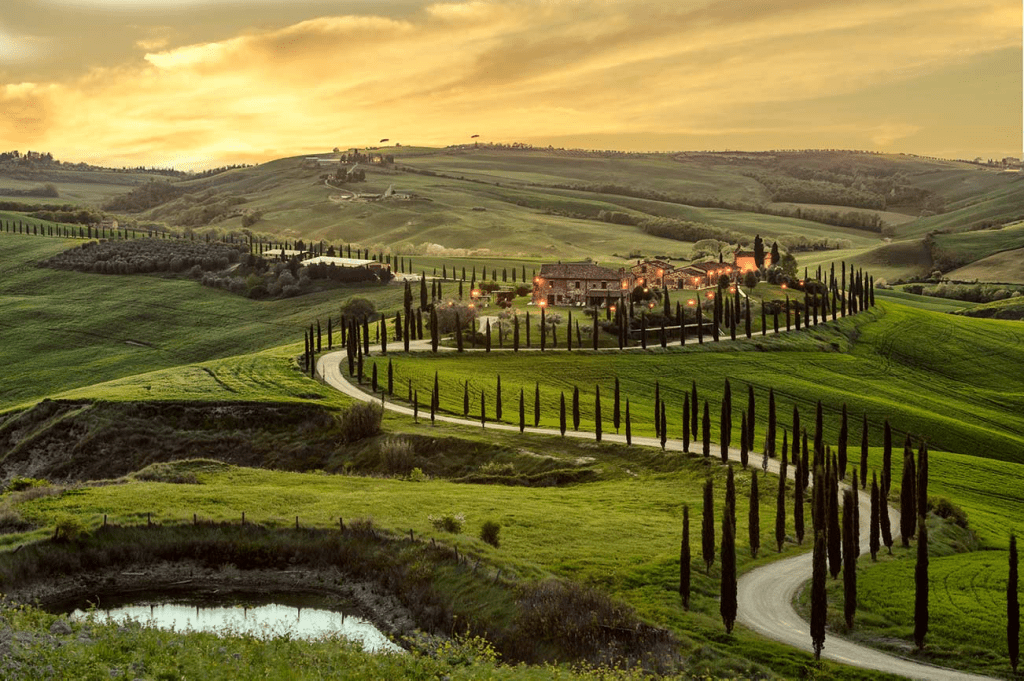
- Traditional farming landscapes in Tuscany (Italy): These reflect centuries of cultural practice, connected deeply with food heritage and sustainable land use.

🕊️ What is Spiritual Capital?
Spiritual capital relates to the sacred, religious, or transcendental significance of certain natural places or elements. These spaces provide individuals and communities with a sense of belonging, peace, purpose, or divine connection.
✨ Examples of Spiritual Capital:
- The Ganges River (India): Considered sacred by Hindus; it is a site for rituals, festivals, and spiritual purification, despite its environmental challenges.
- Uluru/Ayers Rock (Australia): Holds deep spiritual meaning for the Anangu people, with legends and rituals tied to the land.
- Mount Fuji (Japan): A spiritual icon in Shintoism and Buddhism, often seen as a source of inspiration and reverence in Japanese culture.

🌱 Why Cultural and Spiritual Capital Matters
These forms of capital:
- Support conservation: Sacred sites often remain preserved due to cultural restrictions.
- Preserve indigenous knowledge: Many sustainable practices are tied to cultural traditions.
- Foster community well-being: Connection to land and heritage improves mental, spiritual, and social health.
🧭 Final Thought
Cultural and spiritual capital remind us that nature is not just a resource bank—it’s a source of identity, wisdom, and reverence. Protecting these intangible forms of capital is as crucial as preserving forests or rivers. After all, a society that loses its connection to nature often loses its sense of self.


You must be logged in to post a comment.