
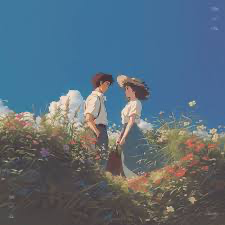
Chapter 10: The River Remembers
Years passed.
Not all at once. Not in sweeping cinematic montages.
They passed in the quiet, ordinary way life tends to move forward—laundry days, morning coffee, new cities, new friendships, heartbreaks, victories too small for anyone else to notice but big enough to shift the ground beneath you.
Mae built a life.
It was messy and beautiful, full of mornings where she doubted herself and nights where she believed anything was possible.
She traveled, took jobs that scared her, fell in and out of love, learned to be alone without being lonely.
But through it all, one constant remained.
Every year, without fail, Mae would find her way back to Willow Creek.
Not for long. A weekend. A day. Sometimes just an hour.
Enough to stand at the edge of the river.
Enough to feel the world tilt back into something that made sense.
It was late spring when Mae returned again.
She was twenty-five now.
Older, certainly.
Wiser, maybe.
She pulled into town just after noon, the bakery sign swinging lazily in the breeze, the streets quieter than she remembered.
Willow Creek looked the same, and utterly different.
New paint on the library door.
A coffee shop where the old hardware store used to be.
But the river hadn’t changed.
The river never changed.
Mae parked by the path and walked down to the old bridge.
It looked rougher than ever—boards missing, ivy curling up the sides, parts sagging dangerously over the water.
But it still stood.
Like a stubborn ghost.
Like a promise she didn’t know she’d kept.
She sat down on the edge, legs dangling over the water.
The air smelled like wildflowers and damp wood.
Mae closed her eyes.
And for a moment, she wasn’t twenty-five.
She was thirteen, sitting beside a boy with messy blond hair and a smile too big for his face.
She was fifteen, clutching a paper heart like it might save her.
She was seventeen, standing on this bridge and letting go of everything she couldn’t hold.
The memories lapped at her like the river itself—soft, persistent, inescapable.
She didn’t expect to find anything.
She certainly didn’t expect to find him.
It started with a scrap of paper.
As she stood to leave, she noticed it—wedged between two planks near the edge of the bridge.
Weathered.
Faded.
Curious, she tugged it free.
It was a paper heart.
Old and delicate, edges worn by wind and rain.
Mae unfolded it carefully, hands trembling.
Inside, in a familiar scrawl, were five words:
I’ll always find my way.
Her breath caught.
Tears blurred the river.
She pressed the paper to her chest.
And that’s when she heard footsteps behind her.
She turned.
And there he was.
Leo.
Older. Different.
The lines of his face deeper.
His hair darker, shorter.
But still—undeniably—him.
He smiled, slow and hesitant.
“Hey, Mae.”
Her heart felt too big for her chest.
“Hey, Leo.”
They stood there, staring at each other across a few feet—and a thousand miles—of space.
Neither moved.
Neither spoke.
The river rushed on beneath them.
The world spun.
And for a long, breathless moment, it was just them.
Like it had always been.
Leo stepped forward first.
Not urgently.
Not like a man chasing something lost.
But like someone returning to a place he never really left.
Mae met him halfway.
They didn’t hug.
They didn’t kiss.
They just stood side by side on the bridge, looking out over the river.
Old friends.
Old loves.
Old ghosts.
New people.
“I wasn’t sure you’d be here,” he said after a while.
“I wasn’t sure you’d look.”
He chuckled softly. “You kidding? I always look.”
She smiled, tears slipping down her cheeks without permission.
He bumped her shoulder gently. “Still crying over me, Anderson?”
She laughed, wiping her eyes. “Still making fun of me, Sullivan?”
“Some things don’t change.”
“But some things do,” she said, voice quiet.
“Yeah,” he said, after a beat. “They do.”
They stood in silence, letting the words settle between them.
Letting the river carry away the old versions of themselves.
Mae pulled something from her pocket.
Another paper heart—this one new, fresh, folded with steady hands.
She pressed it into his palm.
Leo opened it.
Inside, it said:
Thank you for teaching me how to stay.
His mouth twitched—half-smile, half-heartbreak.
He folded it carefully, tucked it into his jacket pocket.
And then, without a word, he pulled a paper heart from his own pocket.
Handed it to her.
Mae unfolded it, chest aching.
It said:
Thank you for teaching me how to leave.
She looked up, blinking hard.
Leo shrugged, almost shy. “You always knew when to be brave.”
“So did you,” she whispered.
They smiled at each other—soft, knowing, bittersweet.
Two rivers, once tangled together, now running side by side.
They didn’t make promises.
They didn’t talk about forever.
They just stood there on the bridge, letting the river remember for them.
Letting it hold all the words they hadn’t said.
All the wishes they had dared to make.
All the versions of themselves they had loved and lost and found again.
When the sun dipped lower and the shadows stretched long across the water, Mae touched Leo’s hand briefly—just enough to feel the familiar electricity there.
Then she turned.
And walked away.
Smiling.
Crying.
Alive.
Because sometimes the bravest thing isn’t staying.
Sometimes it’s knowing when it’s time to move forward.
And trusting that the river will always, always carry you home.


You must be logged in to post a comment.