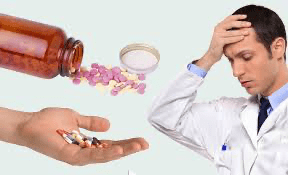
Medicines are a cornerstone of modern healthcare, saving lives, managing chronic conditions, and preventing disease spread. But when used incorrectly, medicines can become a source of harm rather than healing. From self-medication to antibiotic misuse, the wrong use of medicines is a growing global issue with serious health, economic, and societal consequences.
In this blog, we’ll unpack what “wrong use” really means, examine why it happens, and offer steps we can all take to ensure medicines are used safely and effectively.
💊 What Is the Wrong Use of Medicines?
The “wrong use” of medicines refers to any use of medication that deviates from appropriate medical guidance. This includes:
- Self-medication without professional advice
- Taking incorrect dosages
- Stopping treatment early
- Sharing prescription drugs
- Using expired or counterfeit medicines
- Misuse of antibiotics for viral infections
- Combining drugs without knowing interactions
🤕 Real-World Consequences
The misuse of medicines doesn’t just impact individual health — it puts pressure on healthcare systems and fuels public health emergencies.
1. Antibiotic Resistance
The World Health Organization (WHO) has declared antimicrobial resistance one of the top global health threats. Misusing antibiotics for conditions like colds or flu accelerates the development of superbugs — bacteria that are resistant to existing drugs.
2. Adverse Drug Reactions
Wrong combinations or incorrect dosages can lead to serious side effects, including organ damage, allergic reactions, or even death.
3. Therapeutic Failure
If a patient doesn’t follow the correct regimen, the medicine may not work — leading to worsening conditions and complications.
4. Increased Healthcare Costs
Improper use often leads to hospital readmissions, prolonged treatment, and more expensive therapies.
🤔 Why Does It Happen?
✋ Lack of Awareness
Many people don’t know the risks associated with over-the-counter or leftover medications.
💸 Accessibility and Cost Barriers
In lower-income communities, people may avoid going to a doctor and rely on self-medication due to financial constraints.
🏥 Poor Healthcare Guidance
Overprescription, unclear instructions, or language barriers can lead to confusion in how to take medicine.
🌐 Internet Misinformation
Social media and unverified health websites often spread myths about drug effectiveness, leading to unsafe use.
🛡️ Prevention and Solutions
✅ Educate the Public
Governments and healthcare institutions must run campaigns to raise awareness about safe medicine use.
✅ Strengthen Pharmacy Regulations
Restricting access to certain drugs without prescriptions and tracking pharmaceutical sales can curb misuse.
✅ Clearer Labeling and Language
Packaging should include easy-to-understand instructions, ideally in local languages and using visual aids where possible.
✅ Promote Rational Prescribing
Doctors and pharmacists should be trained in evidence-based prescribing and provide counseling to patients.
✅ Use Technology
Smart apps and pill organizers with reminders can help people take their medications on time and correctly.
🌍 A Shared Responsibility
Everyone — from policymakers and healthcare providers to patients and families — plays a role in tackling the wrong use of medicines. It’s not just about following a prescription. It’s about respecting the power of medicine and using it with responsibility and caution.
📝 Final Thought
The wrong use of medicines may not make daily headlines, but its impact is deep, wide, and long-lasting. With informed choices and better support systems, we can prevent harm and build a safer, more effective approach to medication use around the world.
Remember: Medicines can heal — but only when used right.


You must be logged in to post a comment.