By Iqra Sharjeel
Source: click here
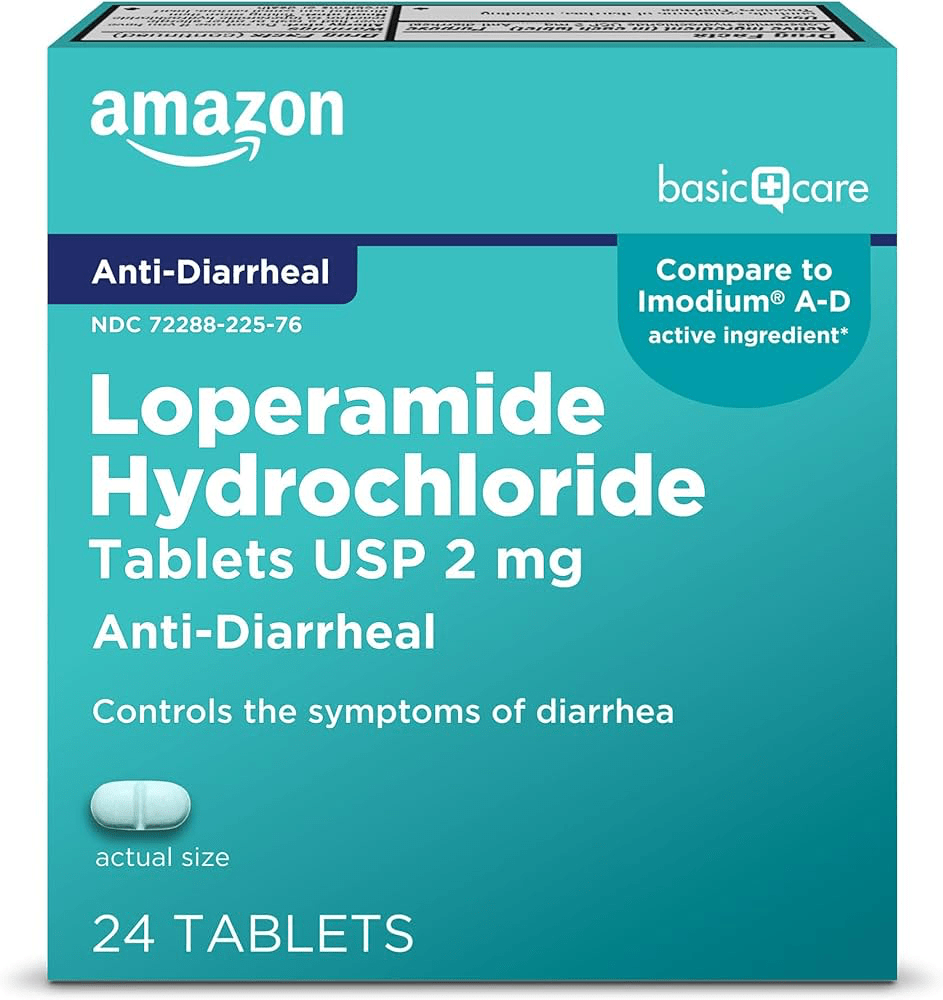
In recent years, the opioid crisis has sparked not only public health concerns but also a surge in unconventional coping strategies among people who use opioids. One such trend is the extra-medical use of loperamide, an over-the-counter anti-diarrheal medication, often sold under the brand name Imodium. While typically used to treat diarrhea, a growing number of online discussions reveal that loperamide is being repurposed by individuals trying to self-manage opioid withdrawal symptoms.
A groundbreaking study led by researchers from Wright State University and Wright State’s Kno.e.sis Center examined this phenomenon by analyzing user-generated content (UGC) on a popular online drug forum. Their goal? To understand how and why people are using loperamide beyond its approved medical use—and what these behaviors might reveal about gaps in addiction treatment and harm reduction.
Mining the Web for Emerging Drug Trends
The study involved analyzing over 1,290 forum posts between 2005 and 2011, with a detailed manual content analysis of a random sample of 258 posts. The research revealed a notable increase in discussions around 2010–2011, a time that coincided with the introduction of tamper-resistant oxycodone—a reformulation that made it harder to abuse. This may have pushed users toward alternative solutions like loperamide.
The majority of posts—about 70%—described loperamide as an effective tool for self-treating opioid withdrawal symptoms, earning it nicknames like the “poor man’s methadone.” Posters reported using very high doses, sometimes between 70–200 mg per day (well above the FDA-approved maximum of 16 mg), claiming it significantly reduced withdrawal effects such as anxiety, nausea, and restlessness.
A Desperate Remedy for Withdrawal
One of the most powerful findings was the sheer desperation and resourcefulness reflected in the forum posts. People described loperamide as a “lifesaver” during withdrawal, especially when access to methadone, buprenorphine, or other treatment options was unavailable or unaffordable. A striking quote from a user summed up the sentiment:
“I just wanted to tell you that loperamide WILL WORK… 200mg of lope will make me almost 100% again.”
However, this wasn’t without caution. Some users expressed concern over side effects, such as severe constipation, dehydration, and a general feeling of “toxicity” with prolonged use. A few also reported mild withdrawal symptoms after stopping loperamide itself, suggesting it may lead to dependency if misused over time.
Can Loperamide Get You High?
Interestingly, around 25% of the posts explored whether loperamide could be used to get high. Most users were skeptical, and many discussions around loperamide’s ability to cross the blood-brain barrier were speculative or dismissed entirely. While a small number of users claimed mild euphoria, the overwhelming consensus was that loperamide was not a recreational drug, but rather a tool for survival during withdrawal.
Red Flags and Public Health Implications
Though loperamide is generally considered safe at therapeutic doses, its abuse in high quantities can pose serious risks, including cardiac issues, respiratory depression, and toxicity, particularly in vulnerable populations. The study cited reports of pediatric deaths and noted that in malnourished or medically underserved areas, unsupervised use can have devastating effects.
Researchers acknowledged limitations in their methodology—such as the lack of demographic data and the self-selective nature of online communities—but emphasized that forums offer a unique, real-time lens into hidden drug use behaviors. These users often represent “trend-setters,” whose practices might foreshadow broader public health issues.
Why This Study Matters
This study is one of the first to document web-based accounts of self-medication among opioid users using loperamide. It illustrates a critical reality: many people facing opioid dependence are desperate for help and are turning to easily accessible, unregulated alternatives when formal treatment is out of reach.
The findings highlight the urgency for better access to treatment, improved harm reduction strategies, and smarter drug monitoring tools. It also showcases how web forums—though informal—can provide early warnings about emerging drug trends, helping researchers and policymakers respond faster to new developments in the addiction landscape.
Final Thoughts
The online cries for help captured in this study serve as a stark reminder of the human struggle behind addiction. Loperamide, a drug never intended for opioid withdrawal, has become an unlikely tool in the battle against dependence. As we navigate the ongoing opioid crisis, it’s clear that listening to the digital voices of those affected can lead to more compassionate, informed, and effective public health responses.


You must be logged in to post a comment.