By Iqra Sharjeel

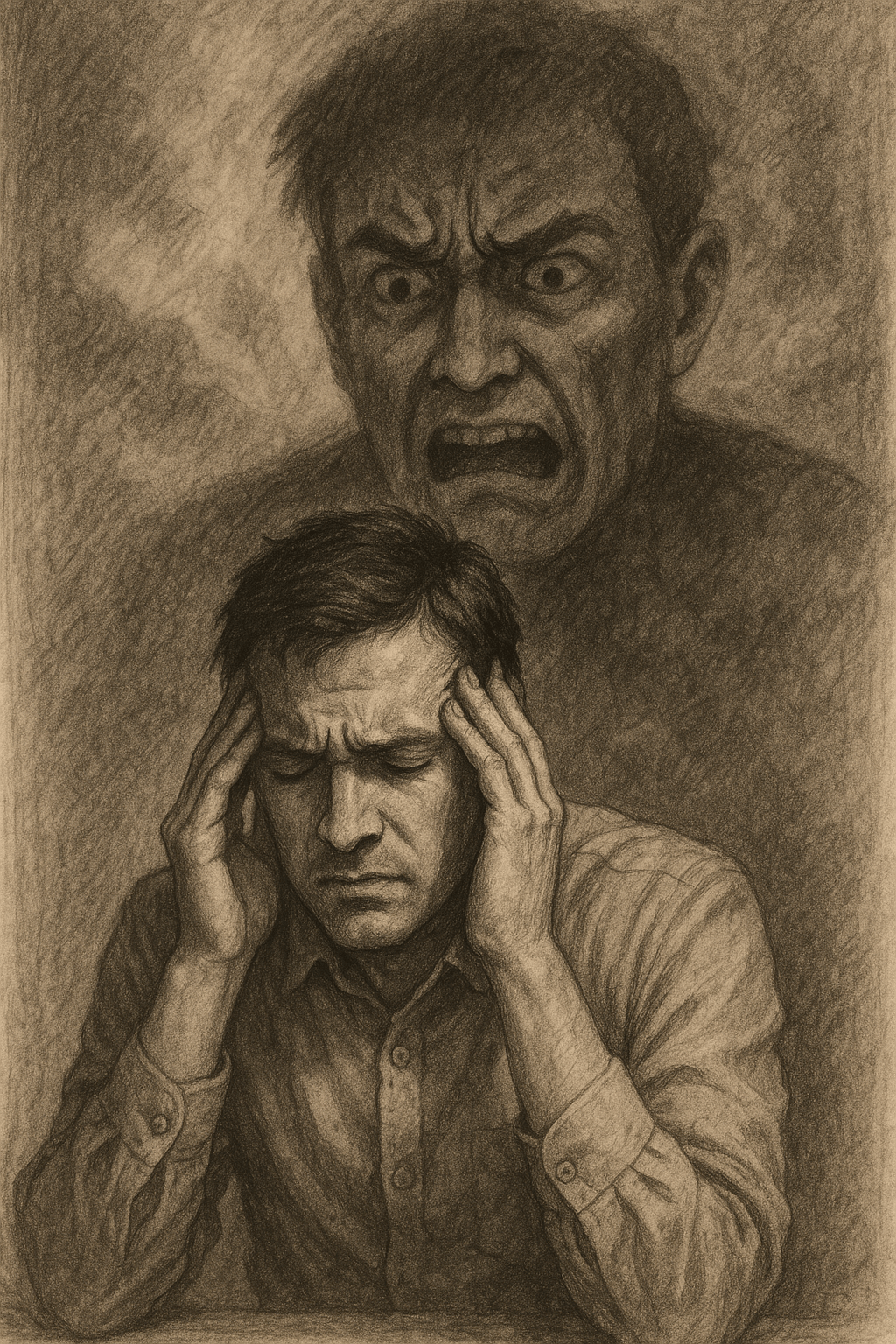
Have you ever spent hours worrying about an upcoming event, only to realize later that it wasn’t nearly as bad as you imagined? Or perhaps you’ve lain awake at night playing out worst-case scenarios that never came to pass. If this sounds familiar, you’re not alone. In fact, the Roman philosopher Seneca famously said, “We suffer more often in imagination than in reality.” And over 2,000 years later, his words still ring painfully true.
The Tyranny of “What If”
Our minds are incredible tools. They allow us to create, to plan, to dream—but also to fear. The same imagination that lets us envision our goals can also torment us with hypothetical disasters.
- “What if I fail?”
- “What if they don’t like me?”
- “What if I get sick?”
These are not just questions—they are emotional rehearsals. Each imagined scenario activates stress and anxiety in our bodies as if the event were truly happening. The result? We live through failures, rejections, and tragedies that haven’t occurred—and might never occur.
Anxiety’s Imaginative Fuel
Anxiety thrives on uncertainty and potential threats. The brain’s natural negativity bias makes us overestimate risks and underestimate our ability to cope. This was helpful in the wild, where anticipating danger could mean survival. But in today’s world, it often just means paralysis.
Research in psychology supports this. Studies show that people overpredict how badly they’ll feel after a negative event and how long it will take them to recover. Ironically, our fears of future pain usually hurt more than the pain itself.
Imagination vs. Experience
Let’s compare two versions of suffering:
- Imaginative Suffering: Constant worry before a public speech.
- Real Suffering: Feeling nervous for the first two minutes, then settling in and doing just fine.
Or:
- Imaginative Suffering: Weeks of dreading a medical test.
- Real Suffering: A 30-minute appointment, followed by relief or action.
Reality is often more manageable than we expect. Our coping mechanisms kick in, other people help, and life moves on. But our imagination doesn’t account for those factors—it only builds monsters in the dark.
The Illusion of Control
Why do we torment ourselves with these thoughts? Often, it’s an attempt to gain control. We believe that if we imagine every possible outcome, we’ll be better prepared. But all too often, we end up drained and overwhelmed, not empowered.
And here’s the kicker: most of the things we fear never happen. Mark Twain captured this irony when he said, “I’ve had a lot of worries in my life, most of which never happened.”
Living in the Present
So, how can we stop suffering in imagination?
- Practice Mindfulness: Stay present. Ground yourself in what is actually happening, not what might happen.
- Question Your Thoughts: Ask yourself, “Is this thought helpful? Is it even true?”
- Limit the Loop: Set time limits for worrying. Then redirect your energy to action or rest.
- Journal It Out: Putting fears on paper can help you see them more clearly and reduce their power.
- Speak to Someone: Sometimes we just need perspective. Talk to a friend, therapist, or mentor.
Closing Thoughts
Imagination is a gift—but it can become a curse if left unchecked. When we learn to distinguish between real and imagined suffering, we reclaim our peace. Life will have its challenges, but we don’t need to live them twice—once in reality and once in our minds.
So next time your thoughts spiral, pause. Breathe. Look around. Ask yourself: “Is this happening right now, or am I suffering in imagination?”
Chances are, you’re okay. And that’s enough for now.


You must be logged in to post a comment.