-
Continue reading →: Extra virgin olive oil may protect against various dementias
New research in mice suggests that adopting a diet rich in extra virgin olive oil can prevent the toxic accumulation of the protein tau, which is a hallmark of multiple types of dementia. Due to its monounsaturated fatty acids, or “good” fats, extra virgin olive oil is known for its ability to…
-
Continue reading →: Rapamycin has anti-aging effect on human skin
A recent study has reported that rapamycin, a drug that has long served as an immune suppressor, may also slow aging in human skin. The small clinical trial found that regular application of rapamycin to the backs of the hands appears to reduce wrinkles and sagging and improve skin tone.…
-
 Continue reading →: What’s to know about eczema?
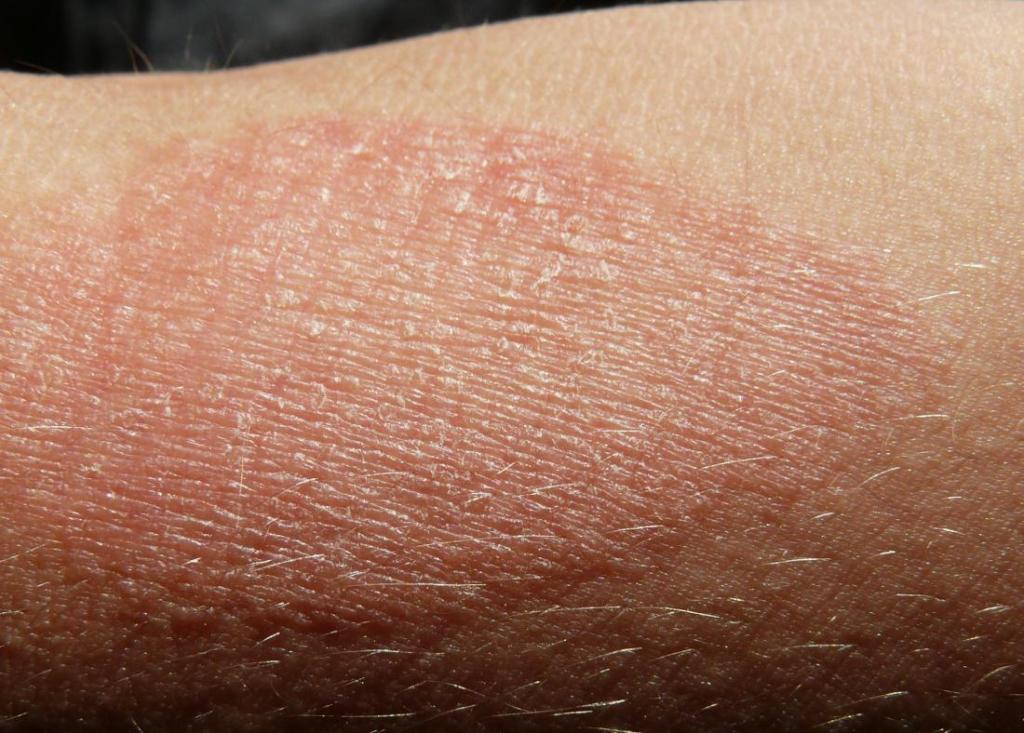
By Iqra Sharjeel Eczema is a condition where patches of skin become inflamed, itchy, red, cracked, and rough. Blisters may sometimes occur. Different stages and types of eczema affect 31.6 percent of people in the United States. The word “eczema” is also used specifically to talk about atopic dermatitis, the most common…
-
Continue reading →: Having a dog may boost survival after a heart attack or stroke
Plenty of research has suggested that owning a dog can be beneficial to health. Two new studies now add to the existing evidence, finding an association between dog ownership and a significantly lower death risk following a stroke or heart attack. “The findings in these two well-done studies and analyses…
-
Continue reading →: How fast does a blue whale’s heart beat?
For the first time, researchers have managed to record the heart rate of the largest animal that has ever lived on planet Earth — the blue whale. The blue whale, also known as a sulfur-bottom whale, or by its Latin name, Balaenoptera musculus, is the largest animal known to have lived, with an…
-
Continue reading →: Sleep loss may contribute to heart disease in those with low incomes
People who are in a precarious financial position have an increased risk of cardiovascular disease. New research reveals that chronic sleep loss may contribute to this risk in the context of social inequality. Last year, research featured in the journal Circulation of the American Heart Association explained that individuals with low socioeconomic…
-
Continue reading →: The brain finds a way to adapt, even when we remove half
A fascinating new study involving people who underwent hemispherectomy — surgery to remove one of the brain’s hemispheres — in childhood shows that these individuals now display almost no immediately obvious effects of this procedure. Brains have two halves, known as hemispheres. Each has various regions that regulate different aspects…
-
Continue reading →: What causes a constant urge to pee?
A range of conditions can affect the way a person urinates. If a person has a constant urge to pee but little comes out when they go, they may have an infection or other health condition. If a person frequently needs to pee but little comes out when they try…
-
Continue reading →: 10 most common birth control pill side effects
The oral contraceptive pill, commonly known as “the pill,” is a hormone-based method of preventing pregnancy. It can also help resolve irregular menstruation, painful or heavy periods, endometriosis, acne, and premenstrual syndrome (PMS). Birth control pills work by preventing ovulation. No egg is produced, so there is nothing for the sperm to…
-
Continue reading →: What to know about endometrial thickness
The endometrium is the lining of the uterus. It is one of the few organs in the human body that changes in size every month throughout a person’s fertile years. Each month, as part of the menstrual cycle, the body prepares the endometrium to host an embryo. Endometrial thickness increases…
-
Continue reading →: What causes dark circles under the eyes?
People often think dark circles are due to tiredness and a lack of sleep. Although this can be one cause, there are other reasons for dark under eye circles, such as allergies or the natural aging process. Dark circles under the eyes may look purple or blue to dark brown…
-
Continue reading →: Tips for a healthy immune system
The immune system defends the body against infection. Although it works effectively most of the time, sometimes our immune system fails, and we become sick. Are there ways we can boost our immune system and prevent illness? We find out. The immune system is a network of special cells, tissues,…
-
Continue reading →: How to get rid of a cold sore
Cold sores are often known as fever blisters given their appearance. Most cold sores are caused by HSV-1, also known as Herpes Simplex Virus. According to the World Health Organization, around two-thirdsTrusted Source of adults aged 50 and older have HSV-1. The University of Michigan’s Health Service estimates that 50 percent of American kindergarten-age…
-
Continue reading →: Can HSV2 be transmitted through oral sex?
Herpes simplex virus type 2 is a form of herpes virus that can be sexually transmitted and causes lesions, such as sores and blisters, to form on the skin. Herpes simplex virus type 2 (HSV2) is spread by skin-to-skin contact and can be transmitted even when the herpes lesions are not…
-
Continue reading →: How dormant herpes springs back to life
Researchers may have finally revealed the way that herpes is able to go into and come out of hiding. A herpes simplex virus (HSV) infection lasts for life. No vaccination can prevent it, and no treatment can fully eradicate it. The problem for doctors is that, most of the time, herpes lies…
-
Continue reading →: What happens if a dog bite gets infected?
If a dog bite pierces a person’s skin, bacteria from the animal’s mouth can get into the body, which can cause an infection. Washing the wound thoroughly can remove the bacteria from the body and help prevent infection. If the bacteria stay in the body, they can cause an infection,…
-
Continue reading →: Scientists Have Developed A System To Quickly Detect Trace Amounts Of Chemicals Like Pollutants, Explosives Or Illegal Drugs
The new system can pick out a single target molecule from 10 000 trillion water molecules within milliseconds, by trapping it on a self-assembling single layer of gold nanoparticles. The team of scientists, all from the Department of Chemistry at Imperial, say this technology opens the way to develop devices…
-
Continue reading →: BIO-TERRORISM
Biological agents are organisms or toxins that can kill or incapacitate people, livestock and crops. A biological attack is the deliberate release of germs or other biological substances that can make you sick. There are three basic groups of biological agents that could likely be used as weapons: bacteria, viruses…
-
Continue reading →: What is acid reflux?
Acid reflux is a common condition that features a burning pain, known as heartburn, in the lower chest area. It happens when stomach acid flows back up into the food pipe. Gastroesophageal reflux disease (GERD) is diagnosed when acid reflux occurs more than twice a week. Exact figures vary, but…
-
Continue reading →: 2 lifestyle changes may reduce risk of hot flashes
According to new research, keeping a healthy weight and quitting smoking before the age of 40 may substantially relieve the hot flashes and night sweats that often characterize menopause. According to some estimates, as many as 1.5 millionTrusted Source females experience menopause each year. Although menopause is a normal, healthy part of life, physiological…
-
Continue reading →: Drug resistance: Does antibiotic use in animals affect human health?
Antibiotic resistance is a global public health crisis. In this Spotlight feature, we look at the use of antibiotics in animals and its consequences for human health, covering research presented recently at the London Microbiome Meeting. Antibiotic resistance poses a serious threat to public health, both in the United StatesTrusted Source and globallyTrusted Source.…
-
Continue reading →: The rise of superbugs: Facing the antibiotic resistance crisis
While medical research has helped us overcome many health threats, we now face a new type of crisis: Many dangerous bacteria are becoming resistant to the drugs meant to fight them. Where do we go from here? Healthcare professionals frequently use antibiotics to treat many forms of bacterial infection — from those…
-
Continue reading →: Omega-3 supplements improved attention in some youths with ADHD
Omega-3 fish oil supplements can improve attention in some youths with attention deficit hyperactivity disorder (ADHD), according to a new study. ADHD is a condition in which a person presents a marked pattern of inattention or hyperactivity and impulsivity — or all of these symptoms — to a level that interferes with development…
-
Continue reading →: What is Ludwig’s angina?
Ludwig’s angina is a rare, serious skin infection that develops on the floor of the mouth and the neck. It results from bacteria that are present due to other issues, such as a tooth abscess or a mouth injury. With antibiotics, people usually recover from Ludwig’s angina. However, if a person does…
-
Continue reading →: Facial warts and how to remove them
Warts are harmless growths that can occur anywhere on the body, including on the face. They are caused by certain strains of the human papillomavirus (HPV). Read on to learn more about the different types of wart that can appear on the face. This article also provides information on how…
-
Continue reading →: How a hallucinogenic brew makes the brain live in a dream
Ayahuasca is a psychoactive brew that people from the Amazonian regions traditionally use as a spiritual medicine. This brew reportedly induces strong hallucinations, but what, exactly, does it do to the brain? Researchers have discovered evidence of ayahuasca — also known as “yagé” — in use by shamans, dating back…
-
Continue reading →: Minor burns – aftercare
You can care for minor burns at home with simple first aid. There are different levels of burns. First-degree burns are only on the top layer of the skin. The skin can: Turn red Swell Be painful Second-degree burns go one layer deeper than first-degree burns. The skin will: Blister Turn…
-
Continue reading →: What you need to know about autophobia
Autophobia is an anxiety disorder that is triggered by the idea and experience of spending time alone. Like other anxiety disorders, autophobia may lead to some physical, as well as psychological, symptoms. Autophobia can be distressing to experience and may have a negative impact on a person’s life if left untreated. Understanding…
-
Continue reading →: Anxiety in the West: Is it on the rise?
According to some observers, anxiety is now snowballing in the United States. So, in this Spotlight, we ask whether anxiety truly is becoming more prevalent in the West and, if so, what may be causing it. For many, anxiety is an ever-present uninvited guest; in our circle of friends, among family members,…
-
Continue reading →: Bubonic plague: Third case reported in China
According to Chinese officials, doctors have recently diagnosed a third case of bubonic plague in a month. Although the plague is life threatening, it is treatable. The latest outbreak should not inspire panic. The most recent case concerns a 55-year-old male who appears to have caught the plague from a…
Hello,
I’m Iqra

I’m a creative professional with a passion for science and writing novels whether it’s developing fresh concepts, crafting engaging content, or turning big ideas into reality. I thrive at the intersection of creativity and strategy, always looking for new ways to connect, inspire, and make an impact.
Let’s connect
Join the fun!
Stay updated with our latest tutorials and ideas by joining our newsletter.