-
Continue reading →: Women and men at risk of different obesity-related conditions
New evidence from a large dataset suggests that, while obesity increases health risks for everyone, women and men with obesity are predisposed to different obesity-related conditions. Obesity is one of the most common health conditions among populations around the globe. In the United States, data from the Centers for Disease Control…
-
Continue reading →: A new drug could improve eczema after a single dose
Atopic dermatitis is a common form of eczema that affects millions of people in the United States. Now, a new proof-of-concept study suggests that a novel drug could relieve symptoms after just one dose. Researchers estimate that about 16.5 million adults in the United States have atopic dermatitis. This is a chronic…
-
Continue reading →: Does weather really affect our experience of pain?
A new study finds that, for people living with arthritis and other conditions that cause chronic pain, a certain kind of weather increases pain. New research confirms that damp, windy weather may worsen pain for some. When someone tells you that they can feel bad weather in their bones, they…
-
Continue reading →: How waste gets ‘washed out’ of our brains during sleep
A new study has observed that cerebrospinal fluid washes in and out of the brain in waves during sleep, helping clear out waste. Cerebrospinal fluid helps clear toxic waste from the brain during sleep. Recently, Medical News Today reported on a study that found that specialized immune cells are more active in the…
-
Continue reading →: Dementia risk higher in those who eat more trans fats
A new study of older adults in a Japanese town has found that those whose blood contained higher levels of trans fats were more likely to develop dementia than those with lower levels. Sweet pastry can be a rich source of trans fats, which may raise the risk of dementia…
-
Continue reading →: Yogurt, fiber, and lung cancer: What’s the link?
A recent analysis investigated whether consuming dietary fiber and yogurt might be linked to a lower risk of lung cancer. Perhaps surprisingly, the team concludes that it is. Could yogurt and dietary fiber reduce lung cancer risk? A recent paper in the journal JAMA Oncologylooks for a relationship between diet and lung…
-
Continue reading →: Coffee drinkers have healthier gut microbiotas
New research suggests that heavy coffee drinkers have healthier compositions of bacteria in their guts. New research sheds light on the effect of coffee on the gut microbiota. More and more research is unpacking the health benefits of drinking coffee. Drinking just one cup may fight off unhealthy fat, ease inflammation associated with obesity, or…
-
Continue reading →: Could turmeric help solve the antibiotic resistance crisis?
Researchers around the globe are scrambling to find ways to tackle the superbug crisis. Now, scientists have found an interesting way to foil a common antibiotic resistant bacteria, using turmeric. Turmeric may contain a compound that could be helpful in the fight against superbugs. Resistance to antibiotics poses a significant threat to…
-
Continue reading →: Women and men at risk of different obesity-related conditions
New evidence from a large dataset suggests that, while obesity increases health risks for everyone, women and men with obesity are predisposed to different obesity-related conditions. Obesity is one of the most common health conditions among populations around the globe. In the United States, data from the Centers for Disease Control…
-
Continue reading →: What are speech disorders?
Speech is the process of producing specific sounds that convey meaning to the listener. A speech disorder refers to any condition that affects a person’s ability to produce sounds that create words. Speech is one of the main ways in which people communicate their thoughts, feelings, and ideas with others.…
-
Continue reading →: Brain activity has role in human aging and longevity
For the first time, scientists have shown that brain activity has a significant influence on human life span. In a new study, they demonstrate how neural activity is higher in individuals with shorter life spans and lower in those who live longer lives. Neuronal activity is lower in people who…
-
Continue reading →: A new drug could improve dermatitis after a single dose
Atopic dermatitis is a common form of eczema that affects millions of people in the United States. Now, a new proof-of-concept study suggests that a novel drug could relieve symptoms after just one dose. Researchers estimate that about 16.5 million adults in the United States have atopic dermatitis. This is a chronic…
-
Continue reading →: New technology better controls type 1 diabetes
Type 1 diabetes has no cure, and although there are several treatment options available, many people find managing the condition challenging. New technology could help reduce that burden. More than 1 million children and adults in the United States have type 1 diabetes, according to the American Diabetes Association. The Centers for Disease…
-
Continue reading →: Does sunlight change our gut microbiome?
Scientists show that ultraviolet (UV) light exposure leads to changes in the gut microbiome, but only in volunteers who were deficient in vitamin D. There is plenty of evidence that links vitamin D, the sunshine vitamin, to health outcomes. Living at higher latitudes, which means less exposure to UV light and a…
-
Continue reading →: Menopause: Could Chinese herbal remedies reduce hot flashes?
During menopause, many people experience hot flashes. A recent review and meta-analysis investigate whether Chinese herbal remedies might reduce the discomfort. Although the authors feel encouraged by the findings, much more data is necessary. Could Chinese herbal remedies relieve hot flashes? Hot flashes affect up to 90% of women during menopause. They have…
-
Continue reading →: What is the best first line of treatment for hypertension?
What is the best therapy for hypertension? Although the question may seem simple, the answer is a lot more complex than it appears at first glance. Researchers have applied complex algorithms to find out, and the results are surprising. For people who have just received a diagnosis of hypertension, deciding…
-
Continue reading →: Sleep allows immune cells to do maintenance work on the brain
Studies have shown that during sleep, the brain reactualizes, updating memories, and clearing up “waste.” New research in mouse models suggests that specialized immune cells keep the brain in good working order by maintaining it during sleep. New research in mice shows that immune cells are better able to perform…
-
Continue reading →: Brain immune cells may protect against OCD, anxiety
Over the last decade, scientists have been discovering that microglia, a type of immune cell that resides in the brain, do more than respond to illness and infection. New research suggests a novel treatment for OCD and anxiety. Now, new research in mice has linked the dysfunction of microglia of…
-
Continue reading →: BETAMETHASONE OINTMENT USES
Uses This medication is used to treat a variety of skin conditions (e.g., eczema, dermatitis, allergies, rash). Betamethasone reduces the swelling, itching, and redness that can occur in these types of conditions. This medication is a medium-strength corticosteroid. How to use Betamethasone Valerate Ointment Use this medication on the skin only. However, do not use it on the face, groin, or underarms unless directed to…
-
Continue reading →: E. coli infections linked to poor hygiene, not contaminated food
The bacterium Escherichia coli is normally present in both human and animal guts. However, some strains of E. coli have developed resistance to antibiotics and can cause dangerous infections. But how do these harmful bacteria end up infecting people? Millions of bacteria naturally populate the guts of humans and animals alike, with different species…
-
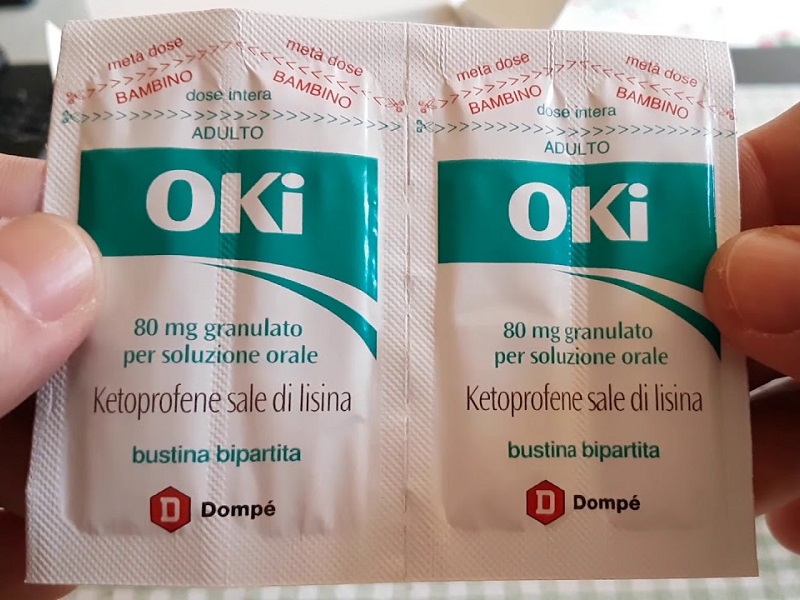 Continue reading →: OKI-KETOPROFEN
IMPORTANT WARNING: People who take nonsteroidal anti-inflammatory drugs (NSAIDs) other than aspirin, such as ketoprofen, may have a higher risk of having a heart attack or a stroke than people who do not take these medications. These events may happen without warning and may cause death. This risk may be…
-
Continue reading →: Douching linked to dangerous chemicals in blood
DOCTORS generally advise women against vaginal douching, warning that this practice can upset the delicate balance of vaginal flora and increase the risk of infection. Now, a new study also shows that douching has associations with a higher blood concentration of harmful chemicals. A new study adds to the evidence…
-
Continue reading →: Antibiotics Side Effects, List, Types/A NUTSHELL
What Are the Side Effects of Antibiotics? Antibiotics may have side effects. Some of the more common side effects may include: Soft stools or diarrhea Mild stomach upset You should notify your doctor if you have any of the following side effects: Vomiting Severe watery diarrhea and abdominal cramps Allergic reaction (shortness of breath, hives, swelling of…
-
Continue reading →: What is TDM?
Summary Therapeutic drug monitoring of concentrations of drugs in body fluids, usually plasma, can be used during treatment and for diagnostic purposes. The selection of drugs for therapeutic drug monitoring is important as the concentrations of many drugs are not clearly related to their effects. For selected drugs therapeutic drug…
-
Continue reading →: What to know about antibiotics
Antibiotics, also known as antibacterials, are medications that destroy or slow down the growth of bacteria. They include a range of powerful drugs and are used to treat diseases caused by bacteria. Antibiotics cannot treat viral infections, such as cold, flu, and most coughs. This article will explain what antibiotics are,…
-
Continue reading →: Benzodiazepines
Medically reviewed by C. Fookes, BPharm Last updated on Feb 5, 2019. What are Benzodiazepines? Benzodiazepines (also called “benzos”) are a class of agents that work in the central nervous system and are used for a variety of medical conditions. They act on specific receptors in the brain, called gamma-aminobutyric acid-A (GABA-A)…
-
Continue reading →: Drinks, not food, with added sugar promote weight gain
The effect of added sucrose in the diet on calorie intake and body weight appears to depend on whether it is in liquid or solid form, according to a new study in mice. If the results translate to humans, they suggest that the contribution of added dietary sugar to obesity…
-
Continue reading →: Does the rotavirus vaccine prevent type 1 diabetes?
Scientists have highlighted a possible link between infection with rotavirus and an increased risk of developing type 1 diabetes. Undergoing vaccination against the pathogen may be an effective way to prevent the condition. Could a routine childhood vaccination reduce the incidence of type 1 diabetes? Type 1 diabetes is an autoimmune…
-
Continue reading →: Estrogen exposure may stave off cognitive decline in women
New research suggests that taking estrogen as part of hormone replacement therapy may help women fight off cognitive decline. Does estrogen therapy have any cognitive benefits for postmenopausal women? The study paper — titled “Lifetime estrogenexposure and cognition in late life: The Cache County Study” and appearing in the North American…
Hello,
I’m Iqra

I’m a creative professional with a passion for science and writing novels whether it’s developing fresh concepts, crafting engaging content, or turning big ideas into reality. I thrive at the intersection of creativity and strategy, always looking for new ways to connect, inspire, and make an impact.
Let’s connect
Join the fun!
Stay updated with our latest tutorials and ideas by joining our newsletter.