-
 Continue reading →: What is Ureaplasma?
Ureaplasma is a bacteria that is commonly found in people’s urinary or genital tract. It is parasitic, which means it needs a host, such as a human or animal, to survive. Ureaplasma bacteria are part of the body’s bacterial population, and they live in balance, without causing a problem, in…
-
 Continue reading →: Urethritis: What you need to know
Urethritis is the inflammation and swelling of the urethra, the narrow tube that carries urine from the bladder to the outside of the body. It leads to difficulty or pain when urinating. Urethritis is usually caused by bacteria or a virus. A chemical irritant can also trigger it. It is…
-
 Continue reading →: 5 causes of facial paralysis
Usually, the brain moves muscles by sending them signals through the nerves. It is an automatic process that people do not even notice happening. Sometimes, an interruption to this process leads to paralysis. When the problem affects the facial nerves, it can result in facial paralysis. In this article, we…
-
 Continue reading →: Can you smoke and donate blood?
The majority of people can donate blood. However, those who use nicotine products, cannabis products, or both may wonder whether or not they can donate blood. Every 2 seconds, someone in the United States needs blood, but supplies are low due to COVID-19. To find out more about blood donation…
-
 Continue reading →: What is psychosis?
By Iqra Sharjeel Broadly speaking, psychosis means a loss of contact with reality; it is a symptom of a number of mental illnesses rather than a medical condition in its own right. This page offers a full description of psychosis, what causes it, some examples of psychotic conditions, and how…
-
 Continue reading →: Everything you need to know about chemical imbalances in the brain
A chemical imbalance in the brain occurs when a person has either too little or too much of certain neurotransmitters. Neurotransmitters are the chemical messengers that pass information between nerve cells. Examples of neurotransmitters include serotonin, dopamine, and norepinephrine. People sometimes call serotonin and dopamine the “happy hormones” because of the…
-
 Continue reading →: Myths and facts about metabolism
Metabolism refers to biochemical processes that occur within any living organism – including humans – to maintain life. These biochemical processes allow people to grow, reproduce, repair damage, and respond to their environment. It is a common belief that slim people have a higher metabolism and overweight people have a…
-
 Continue reading →: ‘Body clock’ rhythms, not sleep, control brain waste disposal
A study in mice suggests that the “glymphatic system,” which removes the brain’s toxic waste during sleep, may not operate efficiently in shift workers who sleep during the day. This may explain their increased risk of brain disorders, such as Alzheimer’s disease. In 2012, researchers at the University of Rochester…
-
 Continue reading →: Kidney function tests: Everything you need to know
Kidney function tests are simple procedures that use either the blood or urine to help identify issues in the kidneys. There are a few different types of kidney function tests that investigate various aspects of kidney function. A kidney function test may check to see if the kidneys are filtering…
-
 Continue reading →: What can we see with an abdominal ultrasound?
Abdominal ultrasounds use sound waves to create images of structures and blood flow in the abdomen. These ultrasound images are a useful way of examining organs, tissues, blood vessels, and other structures within the abdomen. Ultrasound imaging involves sending high-frequency sound waves into the body. These waves reflect off of organs…
-
 Continue reading →: What causes hydronephrosis?
Follow Me Get new content delivered directly to your inbox. Hydronephrosis is a condition that puts pressure on the kidneys and can lead to them becoming damaged. Often, something inside or outside of the urinary tract that blocks the urine flow out of the kidneys causes hydronephrosis. Blockages in the…
-
 Continue reading →: The dark history of IQ tests
Follow Me Get new content delivered directly to your inbox.
-
 Continue reading →: Why do we need magnesium?
Magnesium is an important mineral, playing a role in over 300 enzyme reactions in the human body. Its many functions include helping with muscle and nerve function, regulating blood pressure, and supporting the immune system. An adult body contains around 25 gram (g) of magnesium, 50–60% of which the skeletal system…
-
 Continue reading →: What are the symptoms of viral pneumonia?
Viral pneumonia is pneumonia that develops as a result of a viral infection in the lungs. The symptoms of viral pneumonia are often similar to those of bacterial pneumonia, but, depending on the virus responsible, there may be a few additional symptoms. A wide range of viruses can cause viral pneumonia, including…
-
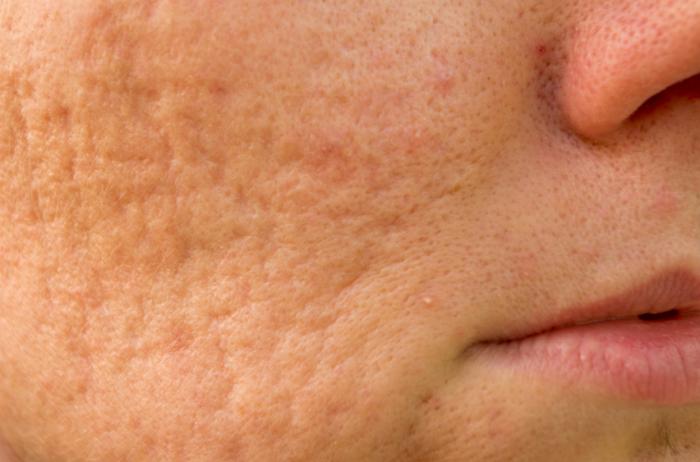 Continue reading →: Everything you need to know about cystic acne
Cystic acne is a severe type of acne in which the pores in the skin become blocked, leading to infection and inflammation. The skin condition mainly affects the face, but also often affects the upper trunk and upper arms. Acne most often affects adolescents and young adults, with an estimated 80 percent of…
-
 Continue reading →: Hormonal acne: What you need to know
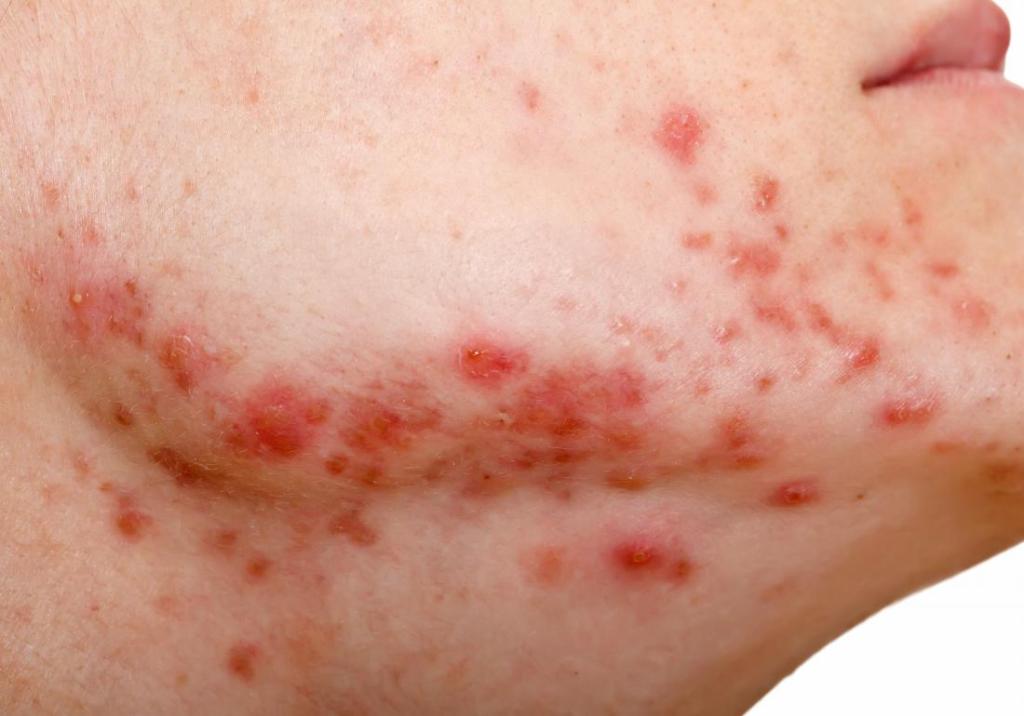
Hormonal acne is usually known simply as acne. Another term for the skin condition is acne vulgaris. It is sometimes called hormonal acne because of the way the skin problem develops in response to hormonal changes, and especially a rise in androgens, such as testosterone. The rise in androgen levels can trigger a process of…
-
 Continue reading →: Nodular acne: Definition and treatment options
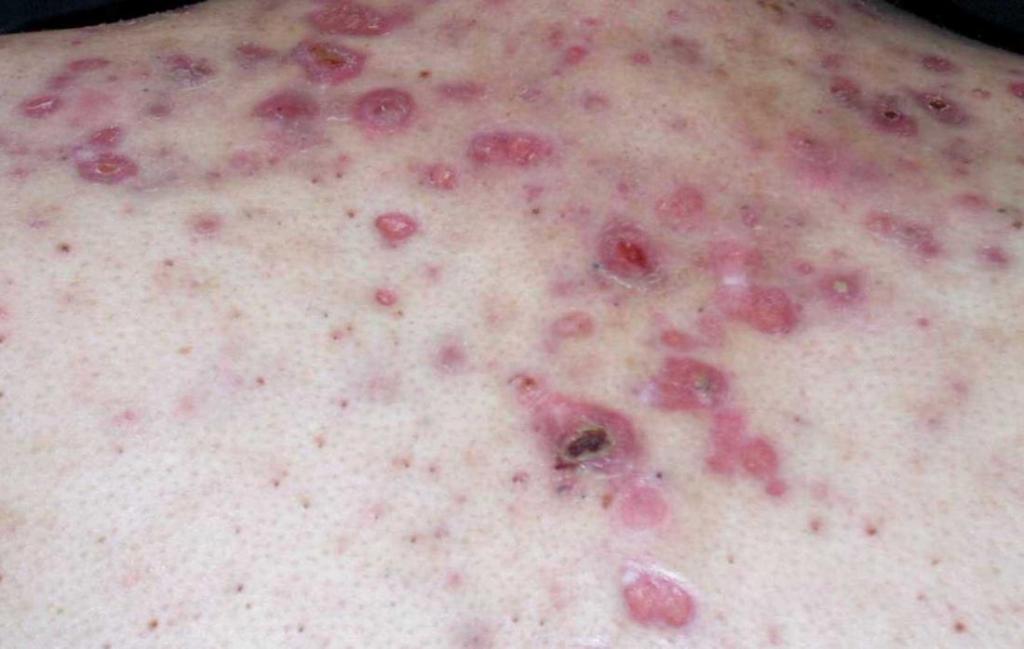
Nodular acne is characterized by hard, painful acne lesions deep under the skin. It often affects the face, chest, or back. Unlike regular pimples that often heal within a few days, acne nodules may last for weeks or months. They tend not to develop a white head and may remain as hard knots under…
-
 Continue reading →: Rib cage pain: Six possible causes
Rib cage pain is a common complaint that can be caused by factors, ranging from a fractured rib to lung cancer. The pain associated with the rib cage may be sudden and sharp or dull and aching. Many cases of rib cage pain are not linked to serious conditions and…
-
 Continue reading →: What should I know about pleurisy?
Pleurisy is an inflammation of the lung lining. The severity of the condition can range from mild to life-threatening. Since many cases are mild and resolve themselves without treatment, it is hard to estimate how many people contract pleurisy worldwide. Fast facts on pleurisy: Here are some key points about…
-
 Continue reading →: Are there any home remedies for pneumonia?
Pneumonia is an inflammatory disorder of the lungs due to an infection of the airways. It is a serious condition, and home remedies will not treat or cure it. However, certain home remedies may help ease the symptoms and enhance healing during the recovery period. Pneumonia can be life threatening. Medical…
-
 Continue reading →: What to know about bacterial pneumonia
Bacterial pneumonia is an inflammation of the lungs due to bacterial infection. Different types of bacteria can cause pneumonia. This type of pneumonia can occur in both lungs, one lung, or one section of a lung. Pneumococcal disease, which Streptococcus pneumoniae causes, is a major cause of bacterial pneumonia. In the United States,…
-
 Continue reading →: US cases of depression have tripled during the COVID-19 pandemic
A large study finds a dramatic increase in the number of adults in the United States reporting symptoms of depression during the COVID-19 pandemic. The number of adults experiencing depression in the U.S. has tripled, according to a major study. Researchers estimate that more than 1 in 4 U.S. adults now report…
-
 Continue reading →: Should I have an otoplasty?
Otoplasty refers to the surgical reshaping of the pinna, or outer ear. The aim may be to correct an irregularity or to improve appearance. The ears are usually around 2 centimeters from the side of the head. However, having ears more prominent than this can be bothersome. A person who has sustained…
-
 Continue reading →: Empathy: Why do we care?
Follow Me Get new content delivered directly to your inbox. Empathy is a precious moral and social resource. It helps us to form friendships, care for the needy, and not be cruel. But what goes on in our brains when we empathize? Can neuroscience help us to explain why we…
-
 Continue reading →: Lifelong antisocial behavior linked to brain differences
Follow Me Get new content delivered directly to your inbox. People whose antisocial behavior starts in childhood and persists into adulthood have less grey matter in parts of their brain that play a role in motivation and emotional control, researchers have found. Antisocial behavior — which psychologists sometimes diagnose as…
-
 Continue reading →: Chronic Stress Of Workplace Bullying And Cortisol Response
This paper will explore a theoretical model linking the chronic stress of workplace bullying with alterations in cortisol secretion, provide qualitative descriptions and definitions of bullying, and describe tools that have been developed to operationalize the construct. Further, the use of salivary cortisol assays to measure free serum cortisol will be discussed.…
-
 Continue reading →: Bullying affects children’s long-term health, study shows
In the first study of its kind to assess the compounding effects of bullying over 5 years, researchers have found that a child experiences more severe and lasting health implications the longer he or she is bullied, suggesting that early interventions could reverse the “downward health trajectory” that victims of…
-
 Continue reading →: Why are my earlobes swollen?
A swollen earlobe is typically caused by damage or a reaction in the earlobe. Bacteria and other germs may get into the earlobe through a cut or piercing and result in an infection. On other occasions, the body can also have an allergic reaction to a product or item used…
-
 Continue reading →: Swimmer’s ear: What you need to know
Follow Me Get new content delivered directly to your inbox. Swimmer’s ear is an infection that can occur after spending a long time in the water or outdoors in the wind and rain. It affects the skin that covers the outer ear canal, which leads to the eardrum. Despite the…
-
 Continue reading →: How to identify a chlorine rash
The chlorine in swimming pools can cause a rash in some people. Chlorine rash may be confused with swimmer’s itch or heat rash. Chlorine rashes happen after exposure to the chemical. It is not possible to be allergic to chlorine, but one person’s skin may be more sensitive to the chemical than…
Hello,
I’m Iqra

I’m a creative professional with a passion for science and writing novels whether it’s developing fresh concepts, crafting engaging content, or turning big ideas into reality. I thrive at the intersection of creativity and strategy, always looking for new ways to connect, inspire, and make an impact.
Let’s connect
Join the fun!
Stay updated with our latest tutorials and ideas by joining our newsletter.